

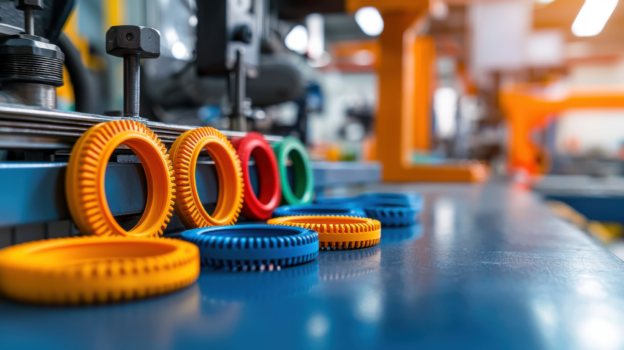
Polyurethane plays a vital role in industrial and commercial environments due to its durability, abrasion resistance, chemical stability, and ability to withstand demanding mechanical loads. When bonded to metal through a cast elastomer overmolding process, polyurethane becomes an integral structural component rather than a surface treatment. This bond enhances performance, protects the metal substrate, and delivers long-lasting reliability across diverse applications.
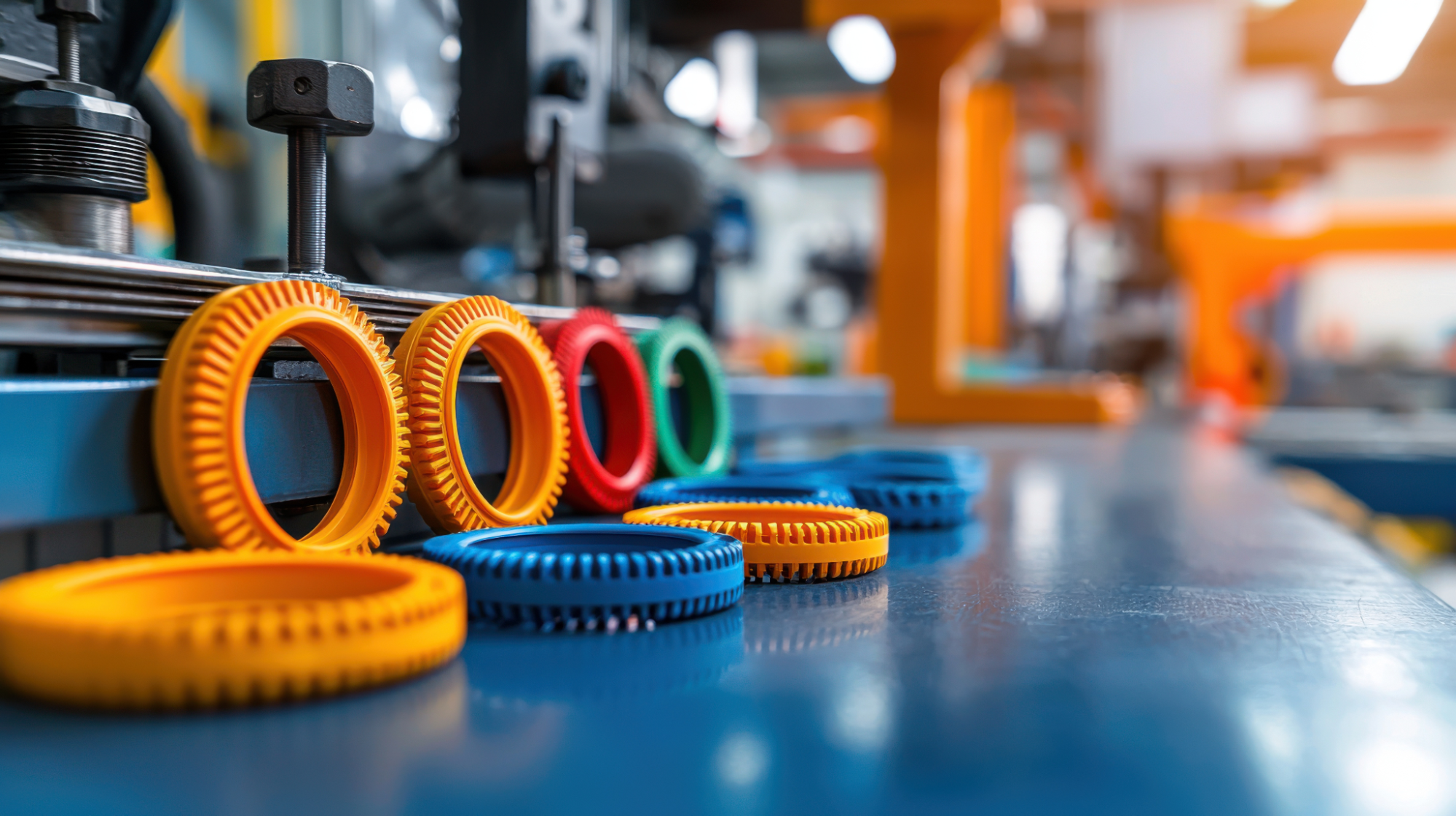
This guide explains how cast polyurethane elastomers bond to metal inserts during the molding process, outlines important advantages and considerations, and highlights best practices that ensure dependable adhesion and performance. Whether you need rollers, bumpers, panels, bushings, wheels, mounts, or fully customized molded urethane parts, understanding how polyurethane bonds to metal will help you make informed decisions for your project.
If you are evaluating cast polyurethane for your next component, our team at Uniflex, Inc. is ready to assist. We support clients across many industries with custom formulations, precision tooling, efficient production, and urethane-to-metal bonding that withstands heavy use. Call us at 248-486-6000 to discuss your requirements.
👉Also Read: Why OEM Manufacturers Choose Custom Molded Urethane Parts for Precision Components
Understanding the Polyurethane to Metal Bonding Process
Polyurethane is a highly adaptable polymer formed through the chemical reaction of two main components: polyols and isocyanates. When these materials are mixed together, they create a chemical reaction that produces polyurethane—a material that can be engineered for a wide spectrum of industrial applications, from flexible elastomers to more rigid formulations for demanding mechanical components.
Think of it like a two-part epoxy you might use at home, but much more sophisticated. The polyol is one part, the isocyanate is the other, and when they come together under controlled conditions, they form a tough, durable material with exceptional performance characteristics.
Why Polyurethane?
Before diving into the bonding process, it’s important to understand why polyurethane is such a valuable material for industrial applications:
Resilient – Bounces back from compression and impact without permanent deformation
Durable – Withstands years of continuous use in demanding environments
Cost-Effective – Delivers superior performance at competitive prices compared to other elastomers
Abrasion Resistant – Resists wear from friction and contact with abrasive materials
Impingement Resistant – Stands up to repeated impact without breaking down
Chemical and Oil Resistant – Maintains integrity when exposed to industrial chemicals and petroleum products
Non-Absorptive – Doesn’t absorb water or other liquids that could compromise performance
Non-Conductive – Provides electrical insulation properties
Vibration and Shock Dampening – Absorbs mechanical stress and reduces noise
Extremely Versatile – Can be formulated to meet specific application requirements
These properties make polyurethane ideal for components that need to outlast and outperform traditional rubber or plastic alternatives.
How Strong Is the Bond?
When properly executed, polyurethane-to-metal bonding creates a connection that is as strong as the urethane itself. This means the bond won’t fail before the urethane material does—the two become a unified component rather than separate pieces joined together. This level of adhesion is critical for parts that experience heavy loads, constant vibration, or harsh environmental conditions.
Why Metal Bonding Presents Unique Challenges
Bonding polyurethane elastomers to metal inserts during the casting process introduces unique challenges that differ from bonding to other materials. Understanding these challenges helps ensure successful results:
Surface energy: Metals often have characteristics that make it harder for liquid polyurethane to create strong chemical bonds without proper preparation. It’s similar to trying to glue something to a surface that’s too smooth or slippery—the adhesive needs help to grab hold.
Lack of texture: Unlike porous materials that provide natural anchor points, smooth metal surfaces require mechanical preparation to give the polyurethane something to grip onto.
Contaminants: Even invisible residues from machining oils, fingerprints, or oxidation can prevent proper bonding. Clean surfaces are absolutely critical.
The Critical Steps for Strong Urethane-to-Metal Bonding
At Uniflex, we follow a proven process that ensures reliable, long-lasting bonds between polyurethane and metal:
Step 1: Extensive Cleaning
Metal surfaces are cleaned in special solvents that remove all pollutants and residue, creating an extremely clean surface. This isn’t just a quick wipe-down—it’s thorough degreasing that eliminates any contaminants, including:
- Machining oils and lubricants
- Rust or oxidation
- Fingerprints and handling residue
- Dust and particulates
Step 2: Surface Profiling
The metal undergoes grit blasting or abrasive blasting to create a uniform surface texture. This mechanical preparation accomplishes two things:
- Creates microscopic peaks and valleys that give the polyurethane something to mechanically lock into
- Increases the total surface area available for bonding
Step 3: Bonding Agent Application
The prepared surface is then coated with a bonding agent—a specialized primer that chemically adheres the urethane to the metal. This chemical bonding agent is specifically formulated to create molecular-level adhesion between the metal and polyurethane, resulting in a bond that’s as strong as the urethane material itself.
Step 4: Casting and Curing
Once the metal insert is prepared and placed in the mold, liquid polyurethane is poured around or over it. The urethane encapsulates the metal insert and cures into a seamless, unified structure. This creates parts where the metal and polyurethane work together as a single component rather than two separate materials.
Key Benefits of Bonding Polyurethane to Metal
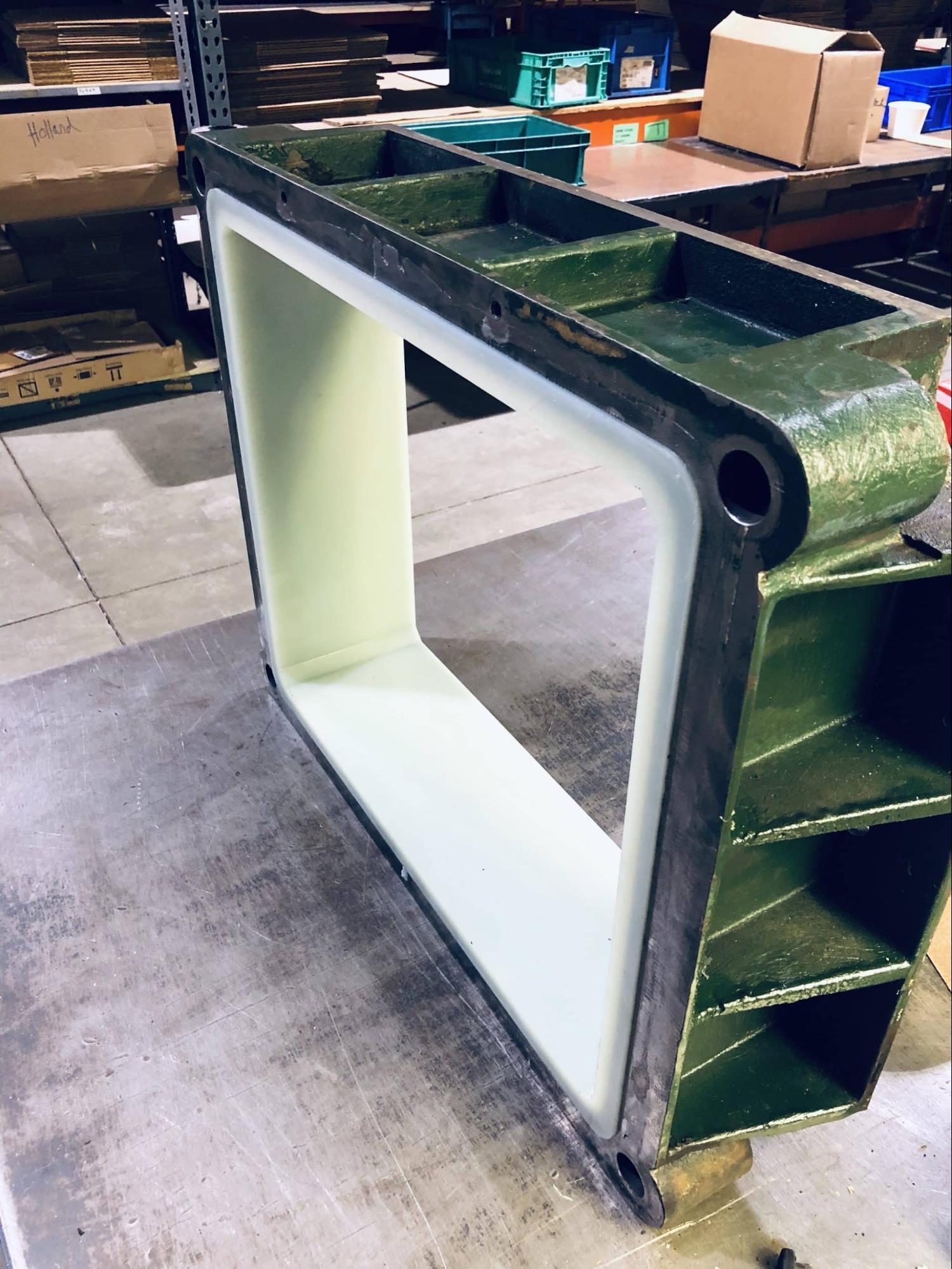
Cast polyurethane elastomers bonded to metal provide versatile solutions for protecting and enhancing metal components in both industrial and commercial applications. The combination of rigid metal structural support with durable polyurethane performance characteristics makes these components ideal for demanding uses.
Protection from Corrosion
When polyurethane is overmolded onto metal inserts, it encapsulates and shields the metal from moisture, chemicals, and environmental exposure. This encapsulation prevents rust, oxidation, and surface deterioration—especially valuable in harsh or high-moisture environments. The polyurethane acts as a protective barrier that extends the service life of the metal component underneath.
Superior Durability and Wear Resistance
Polyurethane elastomers bonded to metal dramatically enhance the mechanical resilience of the entire assembly. While metal alone may wear, dent, or corrode, the polyurethane layer resists abrasion, impact, and mechanical stress far more effectively. This combination extends equipment lifespan, reduces maintenance needs, and prevents costly downtime.
Vibration and Noise Control
Cast polyurethane offers flexibility that helps absorb vibrations and reduce mechanical fatigue. This property lowers noise levels and minimizes stress on connected components, making overmolded parts ideal for machinery, automotive, and industrial applications where movement and impact are frequent. Operators appreciate the quieter operation, while equipment benefits from reduced stress and longer service intervals.
Custom Properties for Your Application
One of polyurethane’s greatest advantages is its versatility. We can engineer the material to achieve specific performance characteristics:
Hardness levels: From soft and flexible to rigid and wear-resistant, we can dial in the exact hardness (durometer) your application requires.
Colors: Custom colors for identification, branding, or aesthetic requirements.
Chemical resistance: Formulations optimized for exposure to oils, solvents, acids, or other chemicals in your operating environment.
Temperature performance: Materials selected for extreme heat, freezing conditions, or temperature cycling.
This customization ensures your component performs exactly as needed in your specific application.
Key Considerations Before Starting Your Project
Before bonding polyurethane elastomers to metal inserts, several factors should be evaluated to ensure optimal adhesion, durability, and long-term performance.
Metal Type Matters
Different metals require different preparation approaches:
Stainless steel has a smooth, non-reactive surface that requires thorough cleaning and sometimes additional surface treatment to ensure proper bonding.
Aluminum can form an oxide layer that interferes with bonding. Surface preparation must address this layer before the bonding agent is applied.
Mild steel is prone to rust and benefits from aggressive cleaning and priming to prevent corrosion beneath the bonded polyurethane.
Understanding your metal substrate is the first step in achieving reliable results. Our engineering team can recommend the best preparation approach for your specific metal type.
Proper Surface Preparation Is Non-Negotiable
The quality of your surface preparation directly determines bond strength and longevity. Shortcuts in this phase lead to adhesion failures down the road. Essential steps include:
Cleaning to remove all oils, grease, and contaminants
Abrasive blasting to create a uniform surface profile
Chemical treatments when needed for specific metals
Primer application using bonding agents matched to your metal and polyurethane system
Inspection to verify cleanliness and proper preparation before casting
Environmental and Operational Conditions
Understanding where and how your component will be used is critical:
Temperature extremes – Will it operate in freezing conditions, high heat, or temperature cycling?
UV exposure – Will it be outdoors in direct sunlight?
Moisture – Will it be exposed to water, humidity, or complete submersion?
Chemical contact – Will it encounter oils, solvents, acids, cleaning agents, or other chemicals?
Mechanical stress – What loads, impacts, or abrasion will it experience?
Honest assessment of these factors ensures we engineer a solution that performs reliably throughout its service life.
How We Cast Polyurethane onto Metal
At Uniflex, we specialize in precision casting techniques that ensure complete encapsulation, long-term adhesion, and high-performance bonds between urethane and metal substrates. By working with liquid urethane systems, we create robust, unified assemblies where the elastomer becomes an integral structural component.
The Casting Process
Our process involves pouring liquid polyurethane around prepared metal inserts in precision molds:
- Metal preparation: The insert is cleaned, blasted, primed, and inspected
- Mold placement: The prepared insert is positioned precisely in the mold
- Liquid urethane pouring: Mixed polyurethane is poured around or over the insert
- Encapsulation: The urethane flows around the insert, filling all cavities
- Curing: The assembly cures under controlled conditions
- Demolding and finishing: The part is removed, and any final machining is completed
This method is ideal for rollers, bushings, wheels, bumpers, panels, mounts, and other molded components that require strength, abrasion resistance, and optimized performance.
Overmolding for Precision and Consistency
Overmolding allows us to maintain consistent urethane thickness and precise geometry across production runs. By designing molds to exact tolerances, the poured urethane flows uniformly around metal inserts, maintaining dimensional accuracy whether we’re producing a prototype or thousands of production parts.
This controlled process ensures that wall thickness, tolerances, and surface finish remain consistent part after part—critical for components used in precision machinery and demanding industrial environments.
Custom Tooling for Complex Geometries
Because everything is cast in a mold, we can produce intricate shapes, variable hardness levels, and highly engineered profiles that would be impossible with other manufacturing methods. This makes the process well-suited for industries such as:
- Mining
- Oil and gas
- Automotive
- Robotics
- Marine
- Material handling
- Aerospace
- Manufacturing
Custom tooling allows us to create parts with embedded metal inserts in virtually any configuration—from simple cylindrical rollers to complex multi-cavity assemblies with precise dimensional requirements.
Design, Machine, and Manufacture Under One Roof
At Uniflex, Inc., we handle every step in-house: engineering support, custom tooling design and fabrication, precision casting, and final machining. This integrated approach delivers significant advantages:
Short lead times: Products can enter production in days, not weeks
Quality control: We oversee every step of the process
Cost efficiency: No markups from multiple vendors
Design flexibility: Easy iteration and refinement during development
Responsive service: Direct communication with the people making your parts
Whether you need rapid prototyping to prove a concept or high-volume production runs for ongoing supply, our integrated capabilities ensure consistent quality and competitive pricing.
👉Also Read: The Complete Guide to Custom Molded Rubber Parts: Design, Manufacturing, and Applications
Partner with Uniflex, Inc. for Your Polyurethane to Metal Bonding Needs
At Uniflex, Inc., we combine decades of experience in custom molded urethane and bonded polyurethane solutions to help industries maximize performance, durability, and design flexibility. From industrial machinery and OEM components to marine applications and heavy equipment, our team delivers tailored cast elastomer solutions that protect metal components, reduce wear, and enhance functionality.
Ready to Get Started?
Whether you need high-performance rollers, vibration-dampening bushings, custom bumpers and panels, protective overmolded assemblies, or precision-molded urethane components, Uniflex, Inc. provides the expertise, materials, and casting techniques to ensure long-lasting results.
Don’t compromise on durability, performance, or cost-effectiveness. Contact Uniflex, Inc. today to discuss your next project and discover how our custom molded urethane and bonded polyurethane solutions can protect, enhance, and transform your metal components.
Frequently Asked Questions
Is polyurethane bonded to metal suitable for food processing applications?
Yes. We offer FDA-compliant polyurethane formulations specifically designed for food processing, beverage equipment, and other sanitary environments. These food-grade materials are non-toxic, resist moisture and common cleaning chemicals, and can withstand regular washdowns and sanitization procedures. When bonded to metal inserts through our casting process, food-grade polyurethane creates components that meet strict hygiene standards for applications such as conveyor rollers, product guides, scrapers, and processing equipment parts.